


Future trends in ductile iron pipe manufacturing and technology
Ductile Iron Pipe (DIP) has revolutionized the infrastructure landscape by delivering a robust solution for water and wastewater management systems. With an impressive tensile strength of 60,000 psi, these pipes are the backbone of essential utility networks. Their emergence addresses key pain points in traditional materials' performance and durability, particularly in environments prone to corrosion and pressure fluctuations.
For instance, the growing demand for reliable water systems and sustainable construction practices drives innovation in the ductile iron pipe industry. This demand necessitates new solutions that not only withstand high-pressure applications but also meet stringent environmental standards. As cities expand and aging infrastructure poses challenges, ductile iron pipes are increasingly viewed as a reliable choice for water, sewage, and stormwater systems.
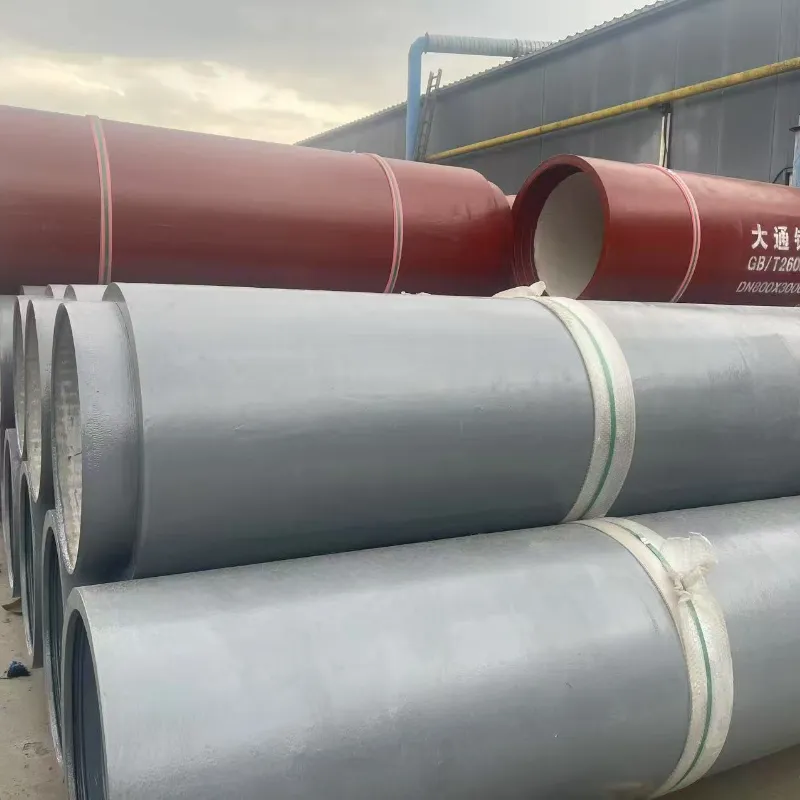
Definition
Ductile Iron Pipe is a type of cast iron pipe that incorporates additional alloying elements, which improve its mechanical properties. The term "ductile" signifies the material's ability to deform under stress without breaking, making it ideal for high-pressure applications.
Industry analysis shows that ductile iron pipes are approximately 10 to 20% thicker than traditional cast iron pipes, enhancing their resistance to impact and fatigue. The material's flexibility allows for significant bending without fracturing, providing a substantial advantage in trenchless construction methods and variable water flow conditions.
Application Scenario
Ductile Iron Pipes find applications across various industries, including:
Municipal Water Systems: Used for drinking water supply, these pipes maintain water quality while resisting corrosion.
Wastewater Management: In sewer systems, they handle the harsh environments created by sewage and prevent leakage or failures.
Stormwater Systems: Their durability allows them to manage rainwater runoff effectively, contributing to drainage systems and flood prevention efforts.
Industrial: Used in power plants and manufacturing facilities, DIP accommodates high-stress conditions while maintaining efficiency.
Brief Description of Advantages
The importance of ductile iron pipes stems from several key benefits:
Durability: With a lifespan often exceeding 100 years, they resist wear and tear, representing a lower total cost of ownership over time.
Corrosion Resistance: Modern coatings and materials enhance their ability to withstand corrosive substances, ensuring water quality.
Sustainability: Ductile iron pipes are recyclable, aligning with global sustainability initiatives and making them an eco-friendly choice.
Cost-Effectiveness: A study published by the American Water Works Association indicates that DIP installations can result in a 30% reduction in repair costs over the pipeline's lifecycle.
These advantages highlight why ductile iron pipes are increasingly indispensable in modern infrastructure.
Ending: Next Steps Guidance
For more detailed information and guidance on selecting the right ductile iron pipe systems for your needs, consider reviewing the user manuals available from leading manufacturers, such as Datong. Understanding the specific requirements for your project can enhance system performance and longevity.
None
None
Comments