

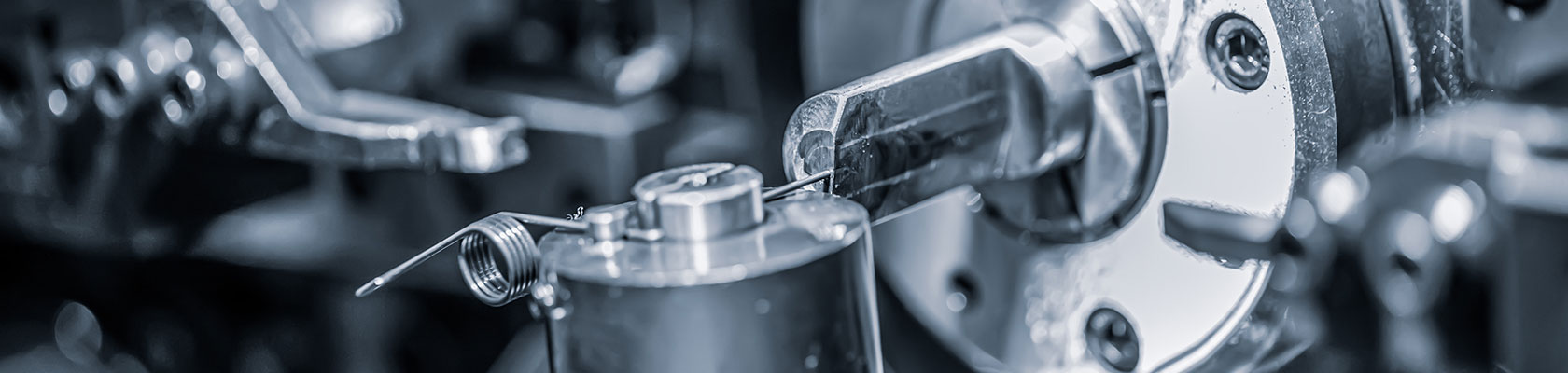
Solving Common Issues in Pneumatic Air Systems for Automotive Production
Solving Common Issues in Pneumatic Air Systems for Automotive Production
In the fast-paced world of automotive production, efficiency and reliability are paramount. One critical component often overlooked is the Industrial Air Compressor System, especially when it comes to air-compressors powering pneumatic air systems. This article addresses some common issues customers face during the purchase phase and provides clear solutions to help streamline operations.
For more information, please visit JAMERS.
Understanding the Importance of Pneumatic Air Systems
Pneumatic air systems are essential in automotive production lines, powering tools and machinery to perform various tasks, from assembling parts to painting vehicles. When these systems malfunction or become inefficient, it can lead to substantial downtime and financial losses. A study from the Automotive Industry Action Group (AIAG) shows that production downtime can cost manufacturers up to $260,000 per hour. Hence, ensuring the reliability of your pneumatic air system is crucial.
Common Issues Customers Encounter
Poor Air Quality
One significant challenge customers face is poor air quality. Contaminants like moisture, dust, and oil can compromise the performance of pneumatic tools. A survey conducted by the Factory Mutual System found that 66% of manufacturers reported issues related to air quality affecting output and quality assurance.
Inadequate Air Pressure
Inadequate air pressure can lead to reduced efficiency and inconsistent results during the assembly and manufacturing processes. If your Industrial Air Compressor System cannot maintain optimal pressure levels, it can affect everything from tool operation to the final product quality. For instance, an automotive manufacturer in Michigan faced a 15% productivity drop due to fluctuating air pressure levels.
Energy Inefficiency
Many customers are also troubled by the high energy costs associated with running air-compressors. Research from the U.S. Department of Energy indicates that compressed air systems can account for up to 30% of a manufacturing plant's electricity consumption. This statistic underscores the need for energy-efficient solutions in pneumatic systems.
Solutions for Common Pneumatic Air System Issues
Improving Air Quality
To combat air quality issues, implement a comprehensive filtration system. Installing high-performance filters can remove contaminants effectively, ensuring that your pneumatic systems function at peak performance. Additionally, regular maintenance checks of your air-compressor and filtration systems can prevent potential mishaps. Investing in a quality desiccant dryer can further remove moisture, improving air quality.
Enhancing Air Pressure Consistency
To manage air pressure, consider upgrading to a variable speed drive compressor. These models can adjust their output according to demand, maintaining a consistent pressure level without wasting energy. One automotive plant in Texas switched from a fixed-speed compressor to a variable speed model, resulting in a 20% increase in productivity and a considerable reduction in operational costs.
If you are looking for more details, kindly visit Pneumatic Air System for Automotive Parts Production.
Boosting Energy Efficiency
Energy efficiency can be improved by regularly auditing your pneumatic system. Identify leaks, as even small leaks can lead to significant energy losses—studies show that a single 1/8-inch diameter leak can waste as much as 30 CFM of air. Additionally, implementing a centralized air management system can help optimize compressor operation and energy usage. A leading automotive manufacturer in Europe reduced their energy consumption by 25% after conducting a thorough energy audit.
Real-World Case Studies
Let's take a closer look at some real-world examples that illustrate how addressing these common issues can drive success:
Case Study: Automotive Manufacturer in Michigan
This manufacturer faced ongoing challenges with poor air quality and inconsistent pressure, resulting in frequent downtime. By investing in advanced filtration and a variable speed compressor, they improved air quality and stabilized pressure levels. As a result, their production increased by 18%, with a significant reduction in reject rates attributed to better air quality.
Case Study: European Automotive Production Plant
A European automotive plant noticed that their operational costs were skyrocketing due to energy inefficiency. After an energy audit highlighted several leaks and areas for improvement, they replaced outdated compressors with energy-efficient models and optimized their pneumatic systems. The outcome was astounding: a 35% reduction in energy costs within the first year.
Next Steps for Customers
If you’re currently facing issues with your pneumatic air system or looking to enhance your Industrial Air Compressor System, now is the time to take action. Start by evaluating your current setup:
- Perform an air quality assessment to identify contamination sources.
- Consider upgrading your air-compressor to a variable speed drive model.
- Conduct an energy audit to pinpoint inefficiencies.
By taking these steps, you can resolve common issues and improve the overall efficiency of your automotive production processes. If you need assistance, reach out to industry experts who can guide you in selecting the right solutions tailored to your specific needs. Your investment in a reliable pneumatic air system today can dramatically enhance your productivity tomorrow.
For more information, please visit Industrial Air Compressor System.
Comments