

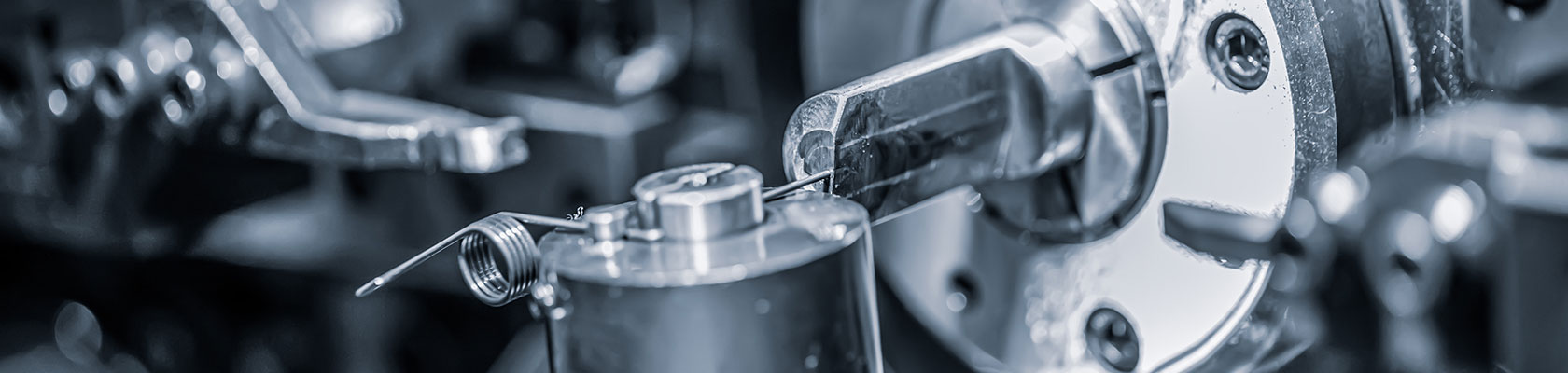
Unlocking Efficiency: How Servo Roll Feeders Solve Your Production Pains!
The manufacturing industry often grapples with inefficiencies in production processes, leading to increased costs and reduced output. If you're struggling with these production pains, it might be time to consider innovative solutions.
For more information, please visit Servo Roll Feeder.
Summary: Servo roll feeders revolutionize production lines by minimizing waste, enhancing accuracy, and increasing speed. They address common manufacturing pain points, enabling businesses to unlock efficiency and drive profitability.
Understanding Servo Roll Feeders
Servo roll feeders are advanced devices designed to deliver precise lengths of material for processing in manufacturing. Unlike traditional mechanical feeders, servo roll feeders use servo motors to control the feeding process, allowing for greater flexibility and precision.
How Servo Roll Feeders Address Production Challenges
Many manufacturers face inefficiencies related to material waste, slow production speeds, and inaccurate cuts. Servo roll feeders tackle these issues by providing accurate material feed rates, reducing scrap, and enhancing overall productivity.
Benefits of Using Servo Roll Feeders
- Increased Accuracy: Servo roll feeders minimize errors in feed length, ensuring that materials are cut to exact specifications.
- Reduced Waste: With precise feeding, less material is wasted, leading to cost savings.
- Enhanced Speed: The ability to quickly adjust feeding rates boosts production speed.
Statistical Insights
According to a study by the National Association of Manufacturers, implementing servo technology can improve production efficiency by up to 40%. Additionally, a survey revealed that 78% of manufacturers see a significant reduction in scrap rates after adopting servo roll feeders.
Real-World Case Study
Consider a metal stamping company that struggled with a high scrap rate due to inaccurate feeding. After integrating a servo roll feeder into their production line, they reduced their scrap rate by 30% and improved their turnaround time by 25%. This transition not only boosted profitability but also enhanced client satisfaction.
If you want to learn more, please visit our website Servo Feed Line Custom Service.
FAQs About Servo Roll Feeders
1. What materials can be used with servo roll feeders?
Servo roll feeders can handle various materials, including metal, plastic, and composite materials, making them versatile for different manufacturing settings.
2. How do servo roll feeders compare with mechanical feeders?
Servo roll feeders offer greater precision, speed, and flexibility than mechanical feeders, which often suffer from issues related to wear and tear, leading to inconsistencies.
3. Can servo roll feeders be integrated into existing systems?
Yes, they can be easily integrated into current production setups, often requiring minimal adjustments to existing equipment.
4. What is the average ROI for implementing servo roll feeders?
Manufacturers typically see a return on investment within 12 to 18 months due to savings in material costs and increased efficiency.
5. Are there maintenance requirements for servo roll feeders?
Regular maintenance, including software updates and mechanical checks, is essential to ensure optimal performance and longevity of servo roll feeders.
Conclusion
Investing in servo roll feeders can transform your production process by solving many common manufacturing pain points. From reducing waste and errors to increasing production speed and accuracy, these feeders are a powerful tool in modern manufacturing. If you are looking to improve efficiency and profitability in your operations, consider making the switch to servo roll feeders today.
With competitive price and timely delivery, Lihao Machine sincerely hope to be your supplier and partner.
Comments