


What Certifications Should a Testing Equipment Manufacturer Hold?
In the highly regulated and precision-driven field of construction, the quality and reliability of Construction Materials Testing Equipment are critical. Manufacturers in this sector must adhere to strict standards to ensure their equipment delivers accurate, repeatable, and compliant results. Certifications not only validate product quality but also build trust with clients, laboratories, and regulatory bodies worldwide. For companies like HBJF, holding the right certifications is essential for maintaining competitiveness and credibility in global markets.
Why Certifications Matter in Construction Materials Testing Equipment
Certifications serve as proof that a manufacturer meets internationally recognized standards for quality, safety, and performance. In the construction industry, testing equipment is used to evaluate materials such as concrete, soil, asphalt, and aggregates. Any inaccuracies in testing can lead to structural failures, financial losses, or safety risks.
For this reason, clients prefer manufacturers who can demonstrate compliance with globally accepted certification systems. Certifications also ensure that production processes are standardized, quality is consistently maintained, and products meet regulatory requirements in different countries.
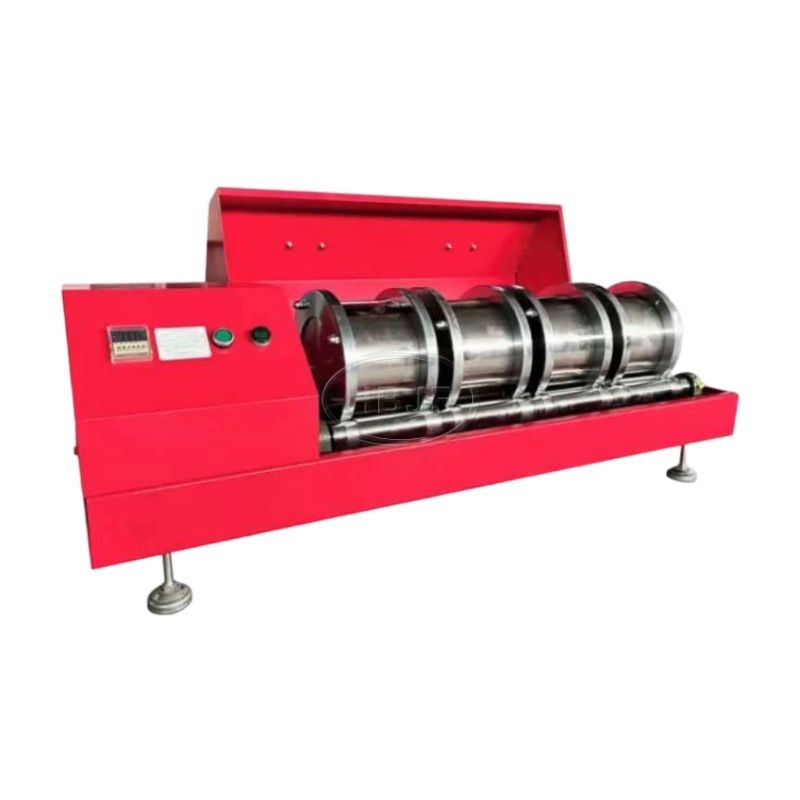
Key Certifications for Testing Equipment Manufacturers
ISO 9001: Quality Management Systems
One of the most essential certifications for any manufacturer of Construction Materials Testing Equipment is ISO 9001. This certification focuses on quality management systems (QMS) and ensures that a company consistently provides products that meet customer and regulatory requirements.
Manufacturers like HBJF benefit from ISO 9001 by improving operational efficiency, reducing defects, and enhancing customer satisfaction. It also demonstrates a commitment to continuous improvement, which is crucial in a competitive market.
ISO 14001: Environmental Management Systems
Sustainability is becoming increasingly important in manufacturing. ISO 14001 certification ensures that a company minimizes its environmental impact through responsible resource management and waste reduction.
For manufacturers of testing equipment, this certification signals that production processes are environmentally conscious, which is especially appealing to global clients with strict environmental policies.
ISO 45001: Occupational Health and Safety
Workplace safety is a top priority in manufacturing environments. ISO 45001 certification ensures that a company has effective systems in place to protect employees from workplace hazards.
This is particularly relevant for manufacturers handling heavy machinery and precision instruments. A safe workplace not only protects workers but also enhances productivity and reduces downtime.
Product-Specific Certifications and Standards
CE Marking (European Conformity)
If a manufacturer plans to sell equipment in the European market, CE marking is mandatory. It indicates that the product complies with EU safety, health, and environmental requirements.
For Construction Materials Testing Equipment, CE marking assures customers that the equipment meets strict European standards and can be safely used in laboratories and construction sites.
ASTM and AASHTO Compliance
Testing equipment must often comply with specific technical standards such as ASTM (American Society for Testing and Materials) and AASHTO (American Association of State Highway and Transportation Officials).
These standards define how materials should be tested and what equipment specifications are required. Manufacturers like HBJF must design and produce equipment that aligns with these standards to ensure compatibility with testing procedures used worldwide.
Calibration and Traceability Certifications
Accuracy is the backbone of testing equipment. Calibration certifications ensure that instruments provide precise measurements and are traceable to national or international standards.
Manufacturers should provide calibration certificates with their equipment, demonstrating that each device has been tested and verified for accuracy before delivery.
Additional Certifications That Add Value
ISO/IEC 17025 Support
While ISO/IEC 17025 is primarily for testing laboratories, manufacturers benefit from aligning their equipment with its requirements. This ensures that their products are suitable for use in accredited laboratories.
RoHS and REACH Compliance
For global distribution, compliance with environmental regulations like RoHS (Restriction of Hazardous Substances) and REACH (Registration, Evaluation, Authorization, and Restriction of Chemicals) is important. These certifications ensure that equipment does not contain harmful substances and is safe for users and the environment.
UL Certification (For Electrical Safety)
If the equipment includes electrical components, UL certification can be valuable, particularly for the North American market. It verifies that the product meets safety standards for electrical devices.
How Certifications Benefit Customers
For buyers of Construction Materials Testing Equipment, certifications provide confidence in product reliability and performance. They ensure that:
Equipment delivers accurate and consistent results
Products comply with international testing standards
Manufacturers follow strict quality control processes
Equipment is safe and environmentally compliant
Choosing a certified manufacturer like HBJF reduces risks and ensures long-term value for laboratories, contractors, and research institutions.
How HBJF Demonstrates Certification Excellence
HBJF understands the importance of certifications in building trust and ensuring product excellence. By adhering to international standards such as ISO 9001 and aligning with ASTM and AASHTO requirements, HBJF ensures that its testing equipment meets the highest industry benchmarks.
The company also emphasizes continuous improvement, investing in advanced manufacturing technologies and rigorous quality control systems. This commitment allows HBJF to deliver reliable, durable, and precise testing equipment for construction professionals worldwide.
Conclusion
Certifications are not just formalities—they are essential indicators of quality, safety, and reliability in the manufacturing of Construction Materials Testing Equipment. From ISO standards to product-specific compliance like CE marking and ASTM alignment, each certification plays a critical role in ensuring that equipment performs as expected.
For manufacturers like HBJF, holding these certifications demonstrates a commitment to excellence and global competitiveness. For customers, it provides peace of mind, knowing they are investing in equipment that meets the highest standards in the industry.
By choosing certified manufacturers, businesses can ensure accurate testing, improved project outcomes, and enhanced safety in construction applications.
None
Comments